


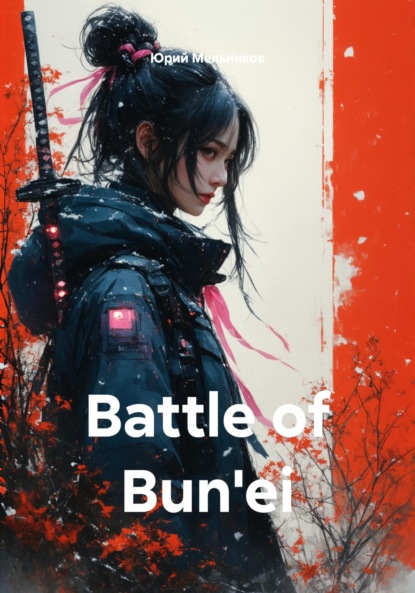
In modern literature about World War II, there would seem to be no blind spots left. We have witnessed the tragedy of Europe, read the chronicles of the Holocaust, and know the story of Hiroshima second by second. But the Okinawan catastrophe of 1945 — Operation Steel Typhoon (code name: Operation Iceberg), which ground up a third of the civilian population of the flourishing Ryukyu archipelago — long remained on the periphery of the Western and Russian book markets, locked within the confines of local Japanese memory

- Книги
- Аудиокниги
- Вебтуны
- Жанры
- Cаморазвитие / личностный рост
- Зарубежная психология
- Попаданцы
- Боевая фантастика
- Современные детективы
- Любовное фэнтези
- Зарубежные детективы
- Современные любовные романы
- Боевое фэнтези
- Триллеры
- Современная русская литература
- Зарубежная деловая литература
- Космическая фантастика
- Современная зарубежная литература
- Все жанры
- Бесплатные книги
- Блог
- Коллекции
- Серии
- Черновики


Вход В личный кабинетРегистрация